
Dental health affects more than the condition of your teeth and gums. It can influence how comfortably you eat, speak, sleep, and interact with others. Oral health concerns may also affect confidence and everyday routines, making preventive care and timely treatment important parts of maintaining your well-being.
Taking care of your teeth involves more than scheduling an appointment when something hurts. Consistent hygiene habits, regular evaluations, and informed treatment decisions can help you address concerns before they become more difficult to manage. It is also important to understand how dental care fits into your broader healthcare needs, including insurance coverage and financial planning.
By learning about available treatments, recognizing symptoms, and choosing qualified professionals, you can take a more active role in your oral health. A thoughtful approach helps you make decisions that support comfort, function, and long-term wellness.
Establish a Consistent Routine for Preventive Dental Care
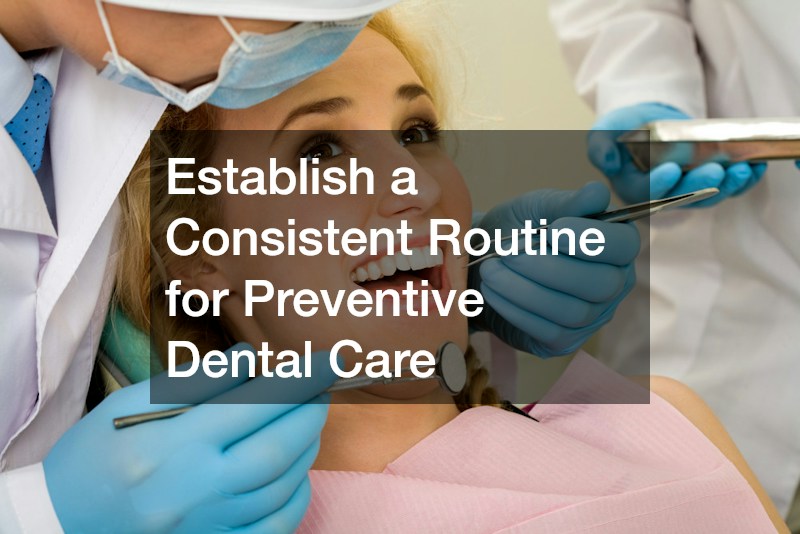
Preventive dental care helps you monitor changes in your oral health and address developing concerns. Regular appointments allow dental professionals to examine your teeth and gums, discuss any discomfort, and recommend care based on your needs. Building an ongoing relationship with local dentists can also make it easier to maintain consistent records and follow treatment recommendations.
Daily habits matter just as much as professional visits. A routine that includes brushing, flossing, and paying attention to changes in your mouth can help you maintain healthier teeth and gums.
To support your routine:
- Brush twice daily using an appropriate toothbrush and fluoride toothpaste.
- Clean between your teeth every day.
- Limit frequent consumption of sugary foods and drinks.
- Keep track of recommended appointments and previous treatments.
- Discuss sensitivity, bleeding gums, or changes in your bite.
Your dental care routine may need adjustments as your needs change. Ask your provider which hygiene techniques and products are appropriate for your circumstances. Consistency makes it easier to identify concerns and maintain healthy habits between appointments.
Recognize Symptoms That May Require Dental Evaluation
Discomfort involving your teeth, jaw, or surrounding areas should not be ignored, particularly when it happens repeatedly. Some patients experience headaches alongside dental concerns such as teeth grinding, jaw clenching, or problems involving the temporomandibular joints. However, headaches have many possible causes, so they should not automatically be attributed to an oral health problem.
Pay attention to when symptoms occur and whether they are associated with particular activities or times of day. This information can help a professional determine whether a dental evaluation is appropriate.
Consider discussing symptoms such as:
- Jaw soreness or stiffness, especially after waking
- Tooth discomfort when chewing
- Clicking or tenderness around the jaw joints
- Evidence of nighttime grinding or clenching
- Recurring facial discomfort
Keeping a simple record of symptoms, their frequency, and possible triggers can make appointments more productive. A dentist can evaluate potential dental or jaw-related contributors and recommend appropriate next steps. Seek medical attention for sudden, severe, unusual, or persistent headaches. A dental evaluation should not replace medical assessment when symptoms may have another cause.
Evaluate Bite Alignment Before Choosing Corrective Treatment
The position of your teeth and the way your upper and lower jaws fit together can affect chewing, speech, and oral hygiene. Crowding, spacing, and bite irregularities may also make certain areas more difficult to clean. If you notice these concerns, an orthodontist can evaluate your alignment and discuss whether corrective treatment is appropriate.
Clear braces may be an option for patients interested in a less noticeable approach to straightening their teeth. However, the right treatment depends on the nature of the alignment issue, your dental health, and your treatment goals.
Before making a decision, discuss:
- The type and severity of your alignment concern
- Available treatment approaches
- Expected treatment duration and appointment frequency
- Cleaning and maintenance requirements
- Retention needs after active treatment
Ask how the proposed treatment may affect your daily routine. Some options require more attention to cleaning or specific instructions about eating and drinking. Follow-up visits are important because your provider needs to monitor progress and make adjustments when necessary. Treatment should be based on a thorough evaluation rather than appearance alone.
Understand Your Options for Restoring Damaged Teeth

A damaged or weakened tooth may need more extensive treatment than a standard filling. Depending on the amount of remaining tooth structure and the location of the damage, a dental crown may help restore its shape, strength, and function.
Some practices offer same day crowns, allowing eligible patients to complete the process in fewer visits. This may be convenient for people with busy schedules, but not every case is suitable for this approach. The condition of the tooth, available technology, and clinical requirements all influence the treatment plan.
Before proceeding, ask your provider:
- Why a crown is recommended instead of another restoration
- Which materials are available and why one is preferred
- How the crown will affect your bite and appearance
- Whether temporary care or dietary adjustments are necessary
- How to maintain the restored tooth
A crown should fit comfortably and function properly alongside surrounding teeth. Ask about the expected lifespan, potential complications, and follow-up requirements. Convenience is worth considering, but it should not be the only factor. The priority is selecting a restoration that addresses the tooth’s condition and supports its long-term function.
Plan Appearance-Related Improvements With Oral Health in Mind
The appearance of your teeth can influence how comfortable you feel smiling, speaking, and interacting with others. If you want to address discoloration, uneven tooth shapes, spacing, or other visible concerns, cosmetic dentists can discuss procedures that may improve your smile.
Before choosing an elective treatment, have your teeth and gums evaluated. Existing decay, gum inflammation, or damaged restorations may need attention first. Addressing these concerns helps establish a healthier foundation for appearance-related improvements.
Consider these questions during your consultation:
- What specific feature would you like to change?
- Are there conservative treatment options?
- Will the procedure affect natural tooth structure?
- What maintenance will be necessary afterward?
- Are the expected results realistic for your dental condition?
Ask your provider to explain the benefits and limitations of each recommendation. Some procedures may require ongoing maintenance or future replacement, while others may not be appropriate for every patient. A personalized treatment plan should account for more than appearance. Healthy teeth and gums, comfortable function, and realistic expectations should all influence your decisions.
Prepare for Treatments That Require Additional Structural Support
Some restorative procedures depend on having sufficient bone to support the surrounding structures. When the available bone is inadequate, a dental professional may recommend a procedure to improve support before proceeding with additional treatment.
Bone grafting may be recommended in certain situations, including some dental implant plans. The procedure involves adding or supporting bone tissue in an area where additional volume or structure is needed. Whether it is appropriate depends on an individual’s anatomy, dental condition, and treatment goals.
Before agreeing to treatment, discuss:
- Why additional bone support is needed
- Which grafting approach is being recommended
- How the procedure fits into the overall treatment plan
- Expected healing time and follow-up appointments
- Potential risks, discomfort, and recovery instructions
Share your medical history, medications, and previous dental procedures with the treating professional. This information can help them evaluate your circumstances and plan appropriately. After treatment, follow the instructions provided for eating, cleaning, and activity. Attend recommended follow-up appointments so your provider can assess healing and determine when the next stage of care can begin.
Compare Providers Based on Qualifications and Patient Care

Choosing a dental professional involves more than comparing appointment availability or online reviews. You want someone who understands your concerns, explains treatment options clearly, and has relevant experience with the procedures you may need.
When researching the best dentists for your situation, consider professional qualifications, experience, communication practices, and the services offered. A provider who is a good fit for routine preventive care may not necessarily have the experience required for a complex restorative procedure.
Use these criteria when comparing practices:
- Relevant education, licensing, and professional credentials
- Experience with your specific dental concern
- Clear explanations of risks, benefits, and alternatives
- Transparent estimates and payment information
- Convenient scheduling and accessible office policies
During a consultation, pay attention to how the provider answers questions. You should understand why a treatment is recommended and what alternatives may be available. For complex or costly procedures, a second opinion may help you compare recommendations. Feeling comfortable discussing your concerns is an important part of a productive provider-patient relationship.
Review Coverage Details Before Scheduling Treatment
Understanding your insurance coverage can help you plan for dental expenses and avoid unexpected bills. Before scheduling a procedure, review your plan documents and determine which services may be covered, what limitations apply, and how much you may need to pay yourself.
Medicare supplements are designed to help with certain costs associated with Original Medicare, but patients should not assume that routine dental services are included. Dental coverage may require a separate plan or another arrangement, depending on your circumstances.
Review the following details before proceeding:
- Covered services and exclusions
- Deductibles and annual benefit limits
- Waiting periods or treatment restrictions
- Provider network requirements
- Preauthorization and documentation rules
Remember that an estimate of insurance benefits is not necessarily a guarantee of payment. Confirm coverage directly with the plan and keep copies of relevant communications. Understanding your financial responsibilities can help you make informed decisions about the timing and scope of treatment.
Keep Treatment Records and Financial Details Organized
Dental treatment involves appointments, estimates, insurance claims, payments, and follow-up instructions. Keeping these details organized makes it easier to understand your care and resolve questions about billing. Accurate administrative records also help dental practices communicate with insurance providers and track outstanding claims.
A medical billing service may assist a healthcare practice with claims processing, payment tracking, documentation, and other administrative responsibilities. However, patients should still review their own statements and insurance explanations to confirm that charges and payments are accurate.
Maintain a personal record of:
- Treatment plans and written cost estimates
- Receipts and payment confirmations
- Insurance claims and benefit explanations
- Preauthorization decisions and correspondence
- Appointment dates and treatment instructions
If a statement includes an unfamiliar charge or a balance that differs from your estimate, contact the dental office for clarification. Ask which services were billed and whether the insurance provider has processed the claim. Organized records make it easier to track expenses, prepare for future appointments, and understand the progress of ongoing treatment.
Connect Dental Care With Long-Term Wellness Goals

Oral health affects everyday activities, including eating, speaking, sleeping, and social interaction. Persistent discomfort or difficulty chewing can interfere with routines and make certain foods less comfortable to eat. Considering these effects can help you recognize why dental care deserves a place in your broader wellness plan.
You can support long-term oral health by coordinating dental care with other health priorities. Share relevant medical information with your dental provider, including medications and conditions that may influence treatment. If symptoms extend beyond your teeth and gums, ask whether another healthcare professional should evaluate them.
Practical steps include:
- Discussing sleep concerns or possible teeth grinding
- Maintaining consistent hygiene habits between visits
- Following recommended treatment and maintenance schedules
- Seeking medical guidance for symptoms that may have other causes
- Updating your dental provider about changes in your health
Communication between healthcare professionals can be useful when concerns overlap. For example, a dental provider may identify a possible jaw-related issue while a medical professional evaluates recurring headaches or sleep problems.
Dental health is an important part of overall wellness. It influences daily comfort, eating habits, communication, confidence, and the ability to maintain a consistent routine. Preventive care, timely evaluations, and appropriate treatment planning can help you address concerns before they become more difficult to manage.
Making informed decisions also means understanding your options, comparing providers, reviewing coverage, and keeping accurate records. Ask questions whenever a recommendation or financial responsibility is unclear. You should understand the purpose of a procedure, its potential benefits, and what ongoing care may involve.
Pay attention to changes in your oral health and discuss concerns with qualified professionals. When dental symptoms overlap with other health issues, appropriate communication between providers can help guide the next steps. By taking an active role in your care, you can make decisions that support your comfort, function, and long-term quality of life.
